
Does light really affect our emotions, behavior and thinking?
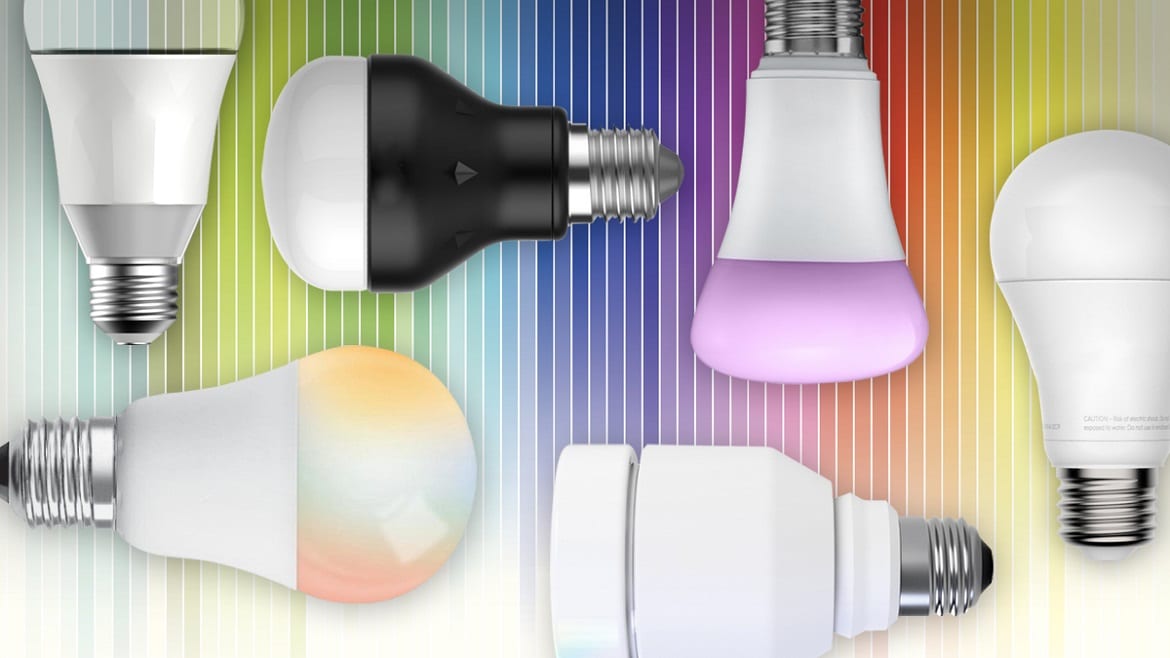
From disco lights pulsing to the beat of the music at a party, to mysteriously flickering candlelight lamps in spas, our bodies sense the intensity, effect and colors of the lights around us and influence our mood, even if we don't consciously notice it. Research work from the past decades supports these experiences, with many studies highlighting the physiological effects of light intensity and color under various circumstances. Smart lighting is one of the most fundamental building blocks of smart home systems, not only because of the physiological effects mentioned above, but also because of its energy-saving effects on our wallets. Today's smart bulbs, such as the TP-Link and Philips Hue, but even then IKEA Tradfri pear family, they use the latest LED technology, ensuring not only a longer lifespan but also lower energy consumption. Suitable central "brain"„ By choosing these consumption figures, these figures can be further improved. With these technologies, traditional bulbs cannot compete. With the new types of lighting elements listed above, not only the intensity and color of the light, but also the color temperature can be adjusted, providing additional opportunities to create perfect color harmony at home. As technology develops before our eyes, the question arises of how we can use light to benefit our physical and mental health.Circadian rhythm or „"daily biological clock"”
To better understand the effect of light on us, it is enough to circadian rhythmWe think about it. The human circadian rhythm (in other words, the sleep/wake cycle) is like an internal clock that alternates between sleepiness and alertness during the day depending on when and what hormones are produced in our body. The production of these hormones largely depends on the light that affects us, its strength and color. It is well known that when the sun goes down, melatonin is released in our body, causing drowsiness and fatigue. That is why we feel more tired in the dark. Accordingly, when the sun is due and it becomes brighter around us, melatonin production stops and our body releases serotonin. That is why we wake up earlier, while we continue to laze around in a darkened room. In an ideal world, we would be exposed to continuous sunlight during the day and complete darkness at night. Under such conditions, an ideal sleep rhythm develops and we are healthier, however, as we know, life is not always that simple. And this is where smart lighting systems come into play, allowing us to amplify or in some cases mimic the effects of natural light, thereby adjusting our sleep cycle to the appropriate time interval. Especially Philips Hue is investing heavily in lamps that can realistically imitate sunrises and sunsets. Do they really work? When it comes to the brightness of certain lamps, many researchers have already taken up the subject to look at the effect of extremely bright lighting (mostly white light) on wakefulness and productivity. It can also be seen that the main supporter of the research is the business world, especially call centers and tasks that use multiple shifts. A 2007 study has thoroughly investigated the effects of lighting on well-being and performance at work. The results of the research showed that the use of fluorescent lamps with a correlated color temperature of 17,000Ks (a terribly bright light) increased alertness and performance. Other studies have shown that the use of appropriate lighting in airports reduces the effects of jet lag.But what about the significance of colors?
When it comes to the benefits of lighting, it’s hard to separate light from color, especially when it comes to smart bulbs. The smart solutions currently available on the market support a variety of color effects, so a standard light bulb with a bright white color will feel completely different than one set to a bright yellow. Philips Hue or TP-Link pear.The influence of colors on behavior is not new (just think of the bull and the color red). In recent decades, many marketing and business strategies have been built on the impact of colors on emotions and consumer decisions. The 2006 "Impact of Color on Marketing"„ study researchers found that the SNAP 90 percent of purchases were based on color. Other studies have observed the calming effects of color and several tools have been created based on this research.A more beautiful and brighter future.
Today's technological revolution has reached households and is revolutionizing our homes before our eyes, starting with lighting. With the spread of smart systems, more and more people can enjoy the positive physiological effects resulting from the cooperation of colors and light. Building a smart system is not an easy task and can deter many people from using smart devices, but at Yabune Home we have set ourselves the goal of providing a service that meets all needs and is widely available.Are you building or renovating? Technical preparation for a smart home — what to install while the walls are still open →